
Why you may already be feeling the effects of shorter days — and how to help your body adjust before November 1.
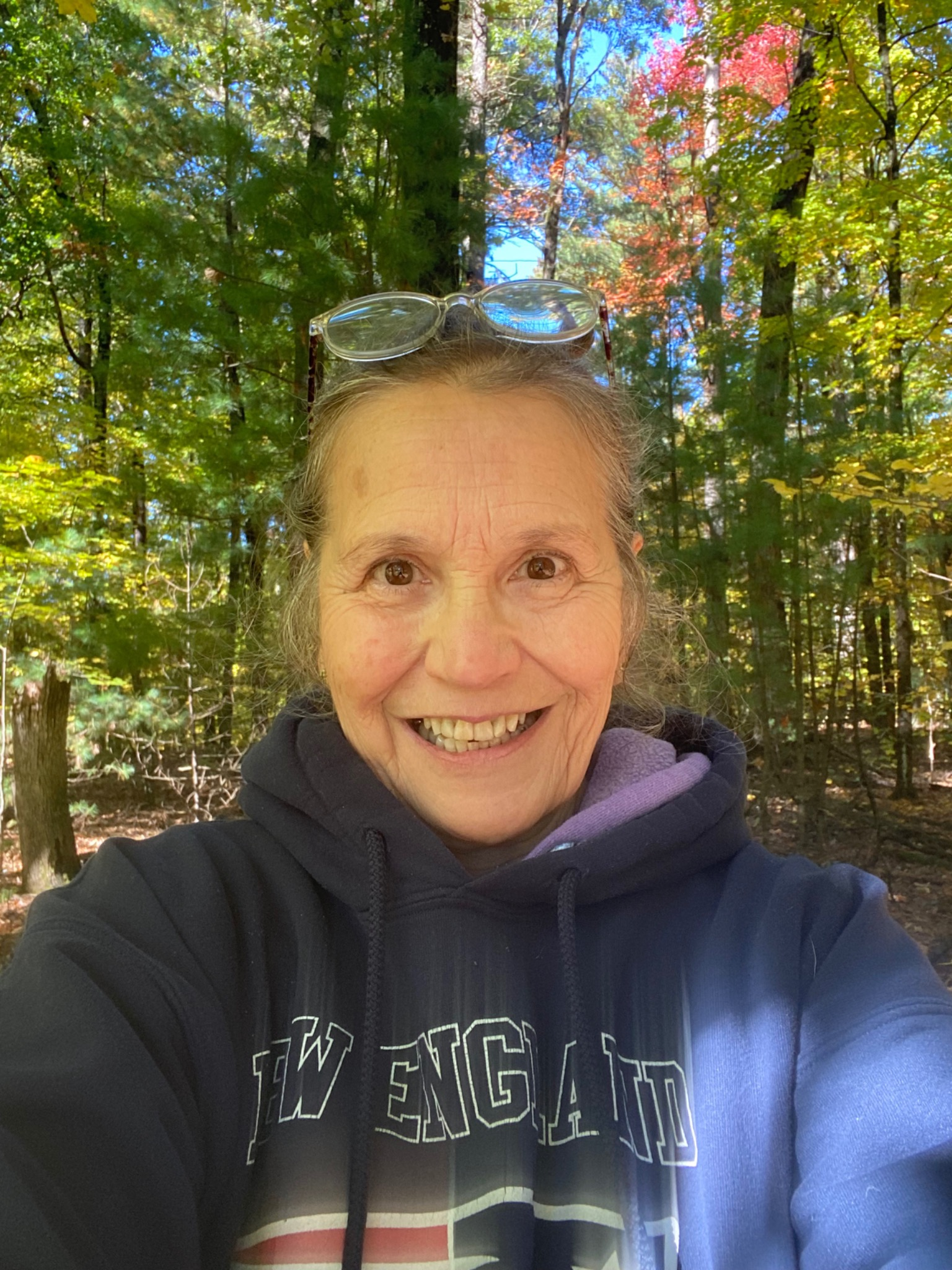
Joyce Strong, RN, BSN, TotalWellCoach.com
The clocks haven't changed yet, but my body seems to know something is happening.
During the summer, I routinely woke up around 6 a.m. But over the last two days, I've slept until after 8 a.m. and haven't gotten out of bed until nearly 9. That's highly unusual for me.
As a registered nurse and longtime wellness coach, I find myself wondering: Is my body responding to the changing seasons before we officially change the clocks?
And what is it trying to tell me?
This Sunday, November 1, 2026, daylight saving time ends. At 2 a.m., most Americans will turn their clocks back one hour.
We're supposed to celebrate that extra hour of sleep.
But our bodies don't operate according to the numbers displayed on a clock. They operate according to a much older biological system governed largely by light and darkness.
And that system has been adjusting to autumn for weeks.
Your Brain Has a Clock of Its Own
Deep inside your brain, in a region called the hypothalamus, is a tiny group of nerve cells called the suprachiasmatic nucleus, or SCN.
Think of it as your body's master timekeeper.
It coordinates biological rhythms that influence far more than when you feel sleepy.
Your circadian system helps regulate:
Sleep and waking
Body temperature
Cortisol and melatonin production
Hunger, digestion, and metabolism
Alertness, concentration, and reaction time
Blood pressure and other cardiovascular functions
One of its most important signals comes from sunlight entering your eyes.
Morning light tells your brain that daytime has arrived. Darkness helps initiate the biological processes that prepare you for sleep.
This is why we can feel awake and energized on a bright summer morning but struggle to get moving when the bedroom remains dark well into the morning.
Your body isn't reading the clock. It's reading the light.
Why You May Feel the Change Before Sunday
By late October, we've already lost hours of daylight compared with midsummer.
The sun rises later. Darkness arrives earlier. We may spend less time outdoors and more time sitting under artificial lighting.
Even though the clocks haven't changed, the environmental signals affecting our internal clocks have been changing every day.
For some people, this means feeling sleepy earlier in the evening. Others may wake later, have difficulty getting out of bed, or experience more daytime fatigue.
But an important distinction is that seasonal light changes do not explain every change in sleep.
Stress, physical activity, illness, medications, poor sleep quality, and accumulated sleep deprivation can all influence how long we sleep and how rested we feel.
In my own case, sleeping later than usual makes me curious about whether I'm responding to reduced morning light, simply needing more restorative sleep, or experiencing a combination of factors.
Sometimes the most useful health information comes from recognizing a change in our own normal patterns.
Why Gaining an Hour Doesn't Guarantee Feeling Rested
Every autumn, we're told that turning the clocks back gives us an extra hour of sleep.
Technically, it does give us an extra hour on the clock.
But extra time is not necessarily extra sleep.
Your body may continue waking at its accustomed biological time. Children and pets may have no interest in waiting another hour for breakfast. Some people find themselves sleepy earlier in the evening.
Others experience disrupted sleep because their familiar schedules no longer align with the new clock time.
And there's another important change: sunset suddenly arrives an hour earlier by the clock.
That means many people who previously enjoyed a walk or outdoor activity after work will find themselves heading home in darkness.
For some, losing that evening daylight can affect mood, motivation, physical activity, and sleep quality.
The fall transition is generally easier on the body than losing an hour in spring. Nevertheless, it can still create a period of adjustment.
Seven Things You Can Do Before the Clocks Change
You don't have to wait until Sunday to help your body adjust.
1. Make morning sunlight a priority.
Open the curtains when you wake up. Better yet, go outdoors for 15–30 minutes, weather permitting.
Morning light is one of the strongest signals for synchronizing your circadian rhythm. Even a cloudy morning can provide substantially more light than ordinary indoor lighting.
2. Keep your wake-up time reasonably consistent.
Try to avoid large swings in your morning schedule.
If you're already waking significantly later than usual, pay attention to your bedtime, nighttime awakenings, and how rested you feel rather than forcing yourself to get up early despite inadequate sleep.
3. Move your body during the day.
A morning walk, gardening, household chores, or even several short activity breaks can help support daytime alertness and nighttime sleep.
You don't need an elaborate exercise routine.
What matters is breaking up prolonged periods of inactivity and giving your body regular opportunities to move.
4. Adjust your evening schedule gradually.
If you're especially sensitive to clock changes, try shifting bedtime, meals, and other routines about 10–15 minutes later each day during the days before Sunday.
Because the clocks are moving backward, a slightly later schedule can help some people maintain their usual waking time after the transition.
Don't force yourself to stay awake when you're exhausted simply to follow a schedule.
5. Reduce bright light at night.
Bright indoor lighting, television screens, phones, and computers can interfere with the signals that help prepare your brain for sleep.
Dim the lights during the hour or two before bedtime and create a relaxing evening routine.
6. Pay attention to caffeine and alcohol.
An afternoon cup of coffee may seem like a good solution to a sluggish day, but caffeine can remain active for hours and interfere with your sleep.
Alcohol may initially make you sleepy, but it can disrupt sleep later in the night.
7. Protect your sleep rather than chasing an extra hour.
Most adults need at least seven hours of sleep, and many benefit from seven to nine.
Focus on getting adequate, restorative sleep consistently instead of treating Sunday's extra hour as an opportunity to compensate for chronic sleep deprivation.
Is It the Clock Change — or Seasonal Fatigue?
There's another issue worth considering as we move toward November.
Some people experience noticeable changes in energy and mood as daylight decreases.
Seasonal affective disorder, or SAD, is a form of recurrent depression associated with seasonal changes. Its symptoms can include low mood, loss of interest, increased sleep, difficulty concentrating, and changes in appetite.
But not every episode of seasonal fatigue is seasonal depression.
Likewise, persistent exhaustion shouldn't automatically be attributed to shorter days.
Sleep apnea, thyroid disorders, anemia, medication effects, depression, infection, and other medical conditions can contribute to fatigue or excessive sleepiness.
If you suddenly need substantially more sleep than usual, experience persistent daytime sleepiness, or notice that fatigue is interfering with your normal activities, it's worth discussing with your healthcare professional.
Our bodies are remarkably good at sending signals.
Our responsibility is to pay attention without jumping to conclusions.
A Simple Experiment for the Next Seven Days
Here's something you can try starting today.
Each morning, make a quick note of when you went to bed, when you woke up, and whether you felt rested.
Notice how much natural daylight you get, especially during the morning. Pay attention to your energy levels in the afternoon and when you begin feeling sleepy in the evening.
Then continue observing for several days after Sunday's time change.
You may discover that your internal clock adjusts easily. Or you may notice that light exposure, bedtime consistency, or physical activity makes a meaningful difference.
Either way, you're learning something valuable about your own physiology.
The Clock Changes Sunday. Your Biology Changes Every Day.
One of the lessons I've learned through decades of nursing and wellness coaching is that good health begins with awareness.
We can become so busy measuring our lives by appointments, schedules, deadlines, and clocks that we forget to notice what our bodies are experiencing.
The transition to standard time is a useful reminder that human beings are biological organisms, not machines.
We respond to sunlight, darkness, movement, stress, nutrition, rest, and the changing seasons.
So if you've been feeling a little more tired lately, or you've noticed your sleep patterns changing, pay attention.
You may need more morning light. You may need more activity. You may need better-quality sleep.
Or your body may be telling you something else that deserves attention.
We can change the clocks in one night. But we can't command our biology to change with them.
And perhaps the healthiest thing we can do this week is give ourselves the light, movement, sleep, and attention our bodies need to adjust.
Your Turn
Have you noticed a change in your sleep, energy, or mood as the days have grown shorter?
Are you waking later, feeling sleepy earlier, or finding it harder to get moving in the morning?
I'd love to hear what you're noticing.
At TotalWellCoach, we explore practical, science-informed ways to support healthy aging, energy, resilience, and lifelong independence. Because healthier living begins with understanding your body and making informed choices, one day at a time.